








PSA Grading Value Impact 2026: Complete Grade Price Guide

A pristine Pokemon Base Set Charizard in PSA 10 condition commands exponentially more than the same card graded PSA 9. Most collectors understand that higher grades sell for more, but few grasp the precise value mathematics behind these premiums or how to leverage grade knowledge for smarter buying, selling, and submission strategies.
We have analyzed auction patterns across vintage Pokemon, modern sports, and TCG singles to quantify exactly how each PSA grade impacts market value. The patterns reveal which cards deserve premium grading services, which grades offer the best collector value, and which ones you should sell at current condition levels.
How PSA's 10-Point Scale Creates Exponential Value Differences
PSA uses a 10-point grading scale that runs from PSA 1 (Poor) through PSA 10 (Gem Mint). Each numerical grade represents specific condition thresholds that create exponential rather than linear value differences. The most financially significant distinctions concentrate in grades 8 through 10, where condition differences become microscopic but market reactions remain massive.
Unlike some competitors, PSA uses whole number grades exclusively at the top of the scale, with no 9.5 option. This binary approach creates psychological barriers between grades that translate directly into auction premiums. Collectors instinctively view PSA 9 as "almost perfect" and PSA 8 as "very good," but markets treat these distinctions as fundamental quality separations worth significant money.
As the largest grading company in the hobby, PSA has established the universal language collectors use to communicate condition. Their consistency over decades means a PSA 9 graded in 2008 meets the same standards as one graded in 2026, giving buyers confidence that grade-based pricing reflects real condition differences.
The authentication aspect amplifies value beyond pure condition assessment. Even lower-grade PSA slabs provide authenticity verification and standardized condition documentation that raw cards cannot match, creating baseline value floors across the grading ecosystem.
For readers who want to understand exactly what PSA graders evaluate at each level, including centering tolerances, corner standards, and surface criteria, our PSA grading standards guide breaks down the full evaluation criteria.
PSA Grade Value Breakdown: What Each Tier Is Worth
PSA grades create exponential value multipliers rather than linear increases, with each tier representing distinct market psychology and pricing patterns.
PSA 1-4 (Poor through Very Good): These grades represent cards with obvious condition issues, including creases, stains, rounded corners, or severe centering problems. They maintain collector value primarily for vintage cards where authenticity verification outweighs condition concerns. Even damaged vintage Pokemon holos often exceed raw card pricing due to authentication value alone. For genuinely rare vintage cards, even damaged examples carry substantial premiums driven purely by scarcity.
PSA 5-7 (Excellent through Near Mint): These grades occupy middle territory with clearly visible wear but intact structural integrity. Interestingly, PSA 6 and 7 grades have discovered renewed collector interest as budget-conscious buyers get priced out of the PSA 9-10 market entirely. These "mid-grade" cards often represent excellent visual appeal at substantial discounts, creating value opportunities for strategic collectors focused on display quality rather than numerical perfection.
PSA 8 (Near Mint-Mint): Cards at this grade show minor flaws visible under examination: slight corner softness, minor edge wear, or centering that falls outside PSA 9 tolerances. PSA 8 represents solid display quality and often provides excellent value for collectors focused on visual appeal rather than numerical perfection. However, PSA 8 specimens have generally lost ground relative to higher grades as collector standards continue rising.
PSA 9-10 (Mint and Gem Mint): These grades dominate current market premiums because condition differences become largely invisible under normal viewing conditions while psychological value gaps remain enormous. This concentration of collector demand in the highest grades creates the steepest value cliffs in the entire PSA grading scale.
PSA 10 Gem Mint: Why the Premium Keeps Growing
PSA 10 represents the theoretical ceiling. No higher grade exists, making these cards the "ultimate" version for serious collectors willing to pay substantial premiums for perfection. The market treats PSA 10s as investment-grade assets, with premiums that dwarf lower grades of identical cards.
Display psychology amplifies these premiums significantly. Collectors feel comfortable showcasing PSA 10s as centerpiece cards in public settings, while PSA 9s often feel like "settling" despite negligible practical differences. This creates two distinct buyer pools: investors seeking maximum appreciation and collectors wanting perfect specimens, both willing to pay substantially for that coveted score.
Modern cards achieve PSA 10 more frequently than vintage issues due to improved printing processes and immediate collector protection. This higher population affects relative scarcity and long-term value potential compared to vintage PSA 10s, where even a single Gem Mint example can represent extraordinary rarity.
For investment purposes, PSA 10 grades work best with iconic cards, key rookies, or genuinely scarce issues where condition rarity amplifies base card value. Common cards rarely justify the PSA 10 premium regardless of condition perfection.
PSA 9 Mint: The Smart Money Grade
Experienced collectors target PSA 9 examples because the condition difference from PSA 10 is frequently microscopic while the price difference is substantial. Many PSA 9s could have received 10 grades on different submission days, making them relative bargains for display collectors who prioritize visual quality over numerical perfection.
The PSA 9 market benefits from collector psychology that obsesses over perfection. While everyone chases PSA 10s, smart money often accumulates high-quality PSA 9 examples at fractional costs. This grade also offers superior liquidity compared to PSA 10s, which can sit unsold for months at full ask prices.
Vintage cards in PSA 9 represent exceptional preservation given their age and historical handling. Finding pre-1980 cards in mint condition requires both original care and decades of proper storage, making PSA 9 vintage cards genuinely scarce achievements that command strong premiums even without the 10 label.
For portfolio building, PSA 9s provide broad market exposure without paying condition premiums that may not sustain long-term value growth. The grade offers the authentication benefits of professional grading while maintaining reasonable acquisition costs.
The PSA 9 vs PSA 10 Value Gap: What Drives It?
The PSA 9/10 premium exists because PSA 10 represents absolute perfection in collector psychology, creating artificial scarcity even when practical condition differences remain invisible under normal viewing conditions. Multiple market forces work simultaneously to inflate perfect-grade pricing beyond rational condition assessment.
Modern submission trends reinforce these premiums. Most cards submitted in 2026 arrive in exceptional condition, meaning the difference between PSA 9 and PSA 10 might involve microscopic corner wear or centering variance visible only under magnification. Yet the price gap continues to expand.
The grading process reinforces premium psychology through binary certification. When PSA assigns a 10, they certify absolute perfection, a powerful message that justifies exponential pricing in buyers' minds. PSA 9 triggers loss aversion that suppresses values relative to the perfect score despite minimal practical differences.
Vintage Pokemon cards demonstrate the most extreme multipliers. Base Set Charizards show substantial premiums for PSA 10 over PSA 9, while shadowless Blastoise and Venusaur often hit multipliers that transform already valuable PSA 9 cards into dramatically more valuable PSA 10 specimens.
Population reports drive much of this value differentiation. Cards with substantial PSA 10 populations maintain smaller premiums over PSA 9s, while cards with limited high-grade examples command significant condition premiums. Checking PSA's population reports before buying or selling helps collectors understand whether a specific card's grade premium is justified by actual scarcity.
2025-2026 Market Trends Shaping PSA Grade Values
Auction trends from 2025-2026 suggest PSA 10 premiums have expanded across most card categories, while lower grades have seen weaker relative performance. The widening spreads make grade optimization increasingly critical for collection strategy.
Vintage Pokemon cards show notable value shifts based on recent auction results. PSA 10 Base Set holos have gained substantial ground, while lower-grade copies of identical cards have remained relatively flat. This expanding spread makes the difference between grade levels increasingly significant for portfolio performance.
Modern sports cards show parallel trends with category-specific variations. PSA 10 rookie cards from recent years continue commanding strong premiums, but lower-grade versions show signs of buyer resistance as collectors become more selective about condition standards. The message across categories remains consistent: perfect grades gain value while anything less struggles for appreciation in competitive markets.
The submission volume explosion has created interesting dynamics. PSA continues receiving already-pristine cards, meaning true PSA 10s remain genuinely scarce even as overall grading volume increases. This supply and demand imbalance supports premium pricing for perfect grades while flooding lower-grade markets with specimens that struggle for buyer attention.
Market timing affects grade premiums substantially. During bull markets, PSA 10 premiums expand as investors chase perfection. Bear markets compress these premiums as buyers become more price-sensitive and focus on fundamentals over condition nuances.
Protect Your PSA Investment
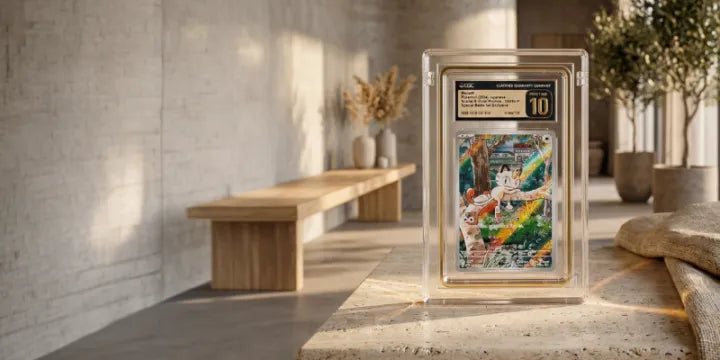
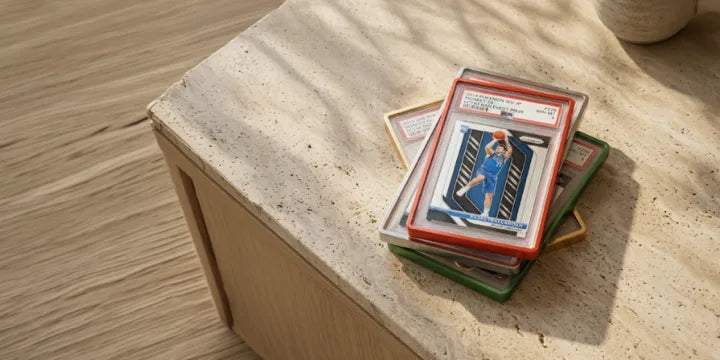
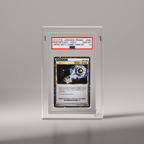
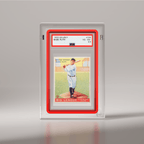
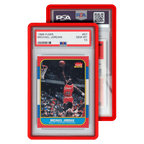
Your graded cards lose value every day they're exposed to UV light and handling damage. Phantom Display cases are engineered with premium acrylic and neodymium magnetic closure, purpose-built for PSA slabs. Rated 4.7/5 for quality by collectors.
Shop PSA Display Cases →Strategic Grading Decisions That Maximize Expected Value
Submission strategy should focus exclusively on cards with realistic PSA 9-10 potential, as lower grades rarely justify current PSA Value service costs of $32.99 per card given market premiums and typical appreciation patterns. Raw cards worth less than ten times the grading fee should stay ungraded unless authentication concerns exist.
Vintage cards represent the strongest grading candidates because age-related scarcity supports premiums even at lower grades, while modern cards need near-perfect condition to justify grading expenses. A $200 raw vintage card might generate positive ROI at PSA 8, while a modern card needs PSA 9 or higher potential to clear profitability thresholds given current fee structures.
Most collectors overestimate their cards' condition by 1-2 grades, leading to negative ROI when PSA returns lower grades than anticipated. Honest condition evaluation under proper lighting with magnification prevents costly submission mistakes. Our PSA grading standards guide can help you predict your card's grade before submitting.
The belief that resubmission guarantees grade improvements costs collectors substantial money in duplicate grading fees. While some cards do improve on resubmission, others grade lower, making this strategy expensive and risky without compelling evidence of initial undergrading.
Authentication-focused submissions make sense for high-value vintage cards regardless of condition when fake concerns exist. Even PSA 4-6 grades provide authentication value that often exceeds raw pricing plus grading costs for genuinely scarce vintage specimens.
Timing submissions around market cycles can impact results. Grading fees represent fixed costs while card values fluctuate based on broader market conditions and demand patterns. Submitting during value peaks maximizes the spread between grading costs and potential returns.
Grading Misconceptions That Cost Collectors Money
Many collectors assume raw cards that look perfect will automatically grade PSA 10, leading to expensive disappointment when microscopic flaws result in lower grades. Professional grading reveals imperfections invisible to casual inspection.
Collectors often overestimate the value premium that grading adds to common cards. While grading benefits valuable and vintage cards substantially, common modern cards rarely justify grading costs unless they achieve PSA 10 grades. Running the numbers before submitting prevents wasted fees.
The assumption that all PSA 10s are created equal ignores quality variations within grades. Some PSA 10s barely qualify while others represent obviously superior examples. Educated buyers who can spot quality differences within the same grade find genuine opportunities.
Many newcomers believe PSA grading is purely objective, missing the human element that creates natural variation in grade assignment. Understanding this subjectivity helps set realistic expectations for both submissions and purchases.
How PSA Grades Should Shape Your Display Strategy
PSA grade directly determines optimal display approach, storage requirements, and handling protocols. Card values scale exponentially with grade, and protection needs increase proportionally to prevent costly condition deterioration during ownership.
PSA 10 specimens require individual protection that eliminates handling contact and provides environmental controls. These cards function as investment pieces first and display objects second, demanding premium solutions that preserve both card condition and holder integrity over decades.
PSA 9 cards balance display value with protection effectively, offering excellent visual quality while maintaining strong appreciation potential. These specimens work well in rotation display systems where periodic viewing satisfies collection enjoyment without constant exposure risks.
PSA 8 and below excel in permanent display situations where visual quality matters more than numerical perfection. The reduced per-card values make handling less stressful while maintaining solid appearance, creating opportunities for more creative display arrangements.
Once your submissions return with those coveted PSA 10 labels, they deserve display solutions worthy of their investment status. Our Magneto mounting system eliminates adhesive contact through magnetic positioning while providing comprehensive UV protection. The Phantom Ultra offers the same 10mm crystal acrylic in a free-standing design, perfect for showcasing your highest-grade specimens safely. Browse the full lineup of PSA slab display cases to find the right fit for your collection.
Frequently Asked Questions
What is the value difference between PSA 9 and PSA 10? PSA 10 cards typically sell for substantially more than identical PSA 9 copies, with vintage Pokemon showing the highest multipliers. Modern cards demonstrate smaller but still significant gaps depending on scarcity and collector demand. Population reports help evaluate whether a specific card's grade premium reflects genuine rarity.
Is it worth grading a card if you expect PSA 8? Rarely, unless dealing with vintage cards worth several hundred dollars raw or authentication-sensitive pieces where PSA 8 values significantly exceed raw prices plus the $32.99 grading cost. Most PSA 8 submissions on modern cards fail to generate positive ROI given current market premiums and fee structures.
How do PSA grade values compare to BGS grades? PSA 10s generally command higher premiums than BGS 9.5s in most categories, while BGS Black Labels often exceed PSA 10 values for identical cards. BGS 9s typically trade at slight discounts to PSA 9s due to market preference patterns favoring PSA's brand recognition. For a deeper comparison between these grading companies, see our BGS vs PSA guide.
Which PSA grades should I display vs. sell? Display PSA 9-10 cards you genuinely enjoy viewing, as these grades maintain strong value trends over time. Consider selling PSA 8 and below specimens unless they carry personal significance, as lower grades show weaker long-term appreciation compared to perfect specimens.
Do lower PSA grades (1-4) have any collector value? Yes, particularly for genuinely rare vintage cards where even damaged examples carry substantial premiums due to scarcity. Damaged vintage Pokemon holos often exceed raw card pricing due to authentication value, while low-grade vintage sports cards maintain collector interest despite obvious condition issues.
What does PSA evaluate when grading cards? PSA assesses centering, corners, edges, and surface quality against specific standards for each grade level. Cards must meet all criteria within a grade's tolerance to achieve that level. Our PSA grading standards guide covers the full evaluation criteria in detail.
Can PSA grades change over time? PSA grades are permanent once assigned, but cards can be resubmitted for potential grade review. The same card might receive different grades on different submissions due to natural grader variation, though this is not guaranteed and costs additional grading fees each time.