



How to Display Graded Pokémon Cards: Protection + Showcase
A Base Set Charizard PSA 10 sold for $420,000 in February 2026, yet we've watched collectors destroy similar investments with poor display choices. That same card, improperly displayed under direct sunlight for six months, loses significant value from UV damage alone. The difference between a stunning display that preserves value and one that destroys it comes down to understanding five critical factors that most collectors completely ignore.
After handling thousands of graded slabs over the past decade, we've seen too many expensive mistakes. Collectors spend hundreds getting their vintage Charizards graded through PSA's current service options, only to watch their investments fade, scratch, or crack in poorly designed displays. Here's what we've learned about showcasing graded Pokémon cards properly.
Understanding Graded Card Display Fundamentals
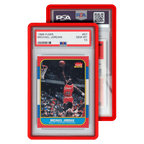
Graded Pokémon cards live in sealed protective cases designed to preserve their condition permanently. PSA uses a 10-point grading scale to assess quality, and that grade directly impacts value. A PSA 9 Base Set Charizard commands significantly less than a PSA 10, and your display setup can either maintain that grade's integrity or gradually destroy it.
The grading companies seal cards in tamper-evident cases, but these cases aren't invincible. Graded cards are sealed in protective cases to preserve their condition, yet PSA slabs crack from impact, BGS cases yellow under UV exposure, and both scratch easily when displayed incorrectly. We've seen valuable cards ruined by displays that cost little to build properly.
Temperature fluctuations pose another threat. Graded cases expand and contract with heat changes, potentially damaging the card inside. Keep displays away from heating vents, direct sunlight, and areas with dramatic temperature swings. Your basement might feel cool, but if it swings dramatically between seasons, you're creating problems.
Humidity matters too. While the card is sealed, extreme humidity can affect the case itself and any mounting materials you use. Moderate humidity levels work best, higher levels can warp wooden display frames or cause metal mounts to corrode over time.
Essential Display Equipment for Graded Cards
Your choice of display materials determines whether your collection looks professional or amateur. Start with UV-protective acrylic displays. Standard glass offers minimal UV protection, while quality acrylic provides significantly better protection against harmful rays. This isn't optional for valuable cards, it's insurance. (Not sure which case is right? See our complete guide to graded card display cases.)
Spacing between cards prevents scratches and allows air circulation. PSA slabs need adequate space between cards to prevent contact during thermal expansion. BGS cases run in similar size ranges, so plan accordingly when designing your layout. We recommend minimum half-inch spacing between adjacent cases.
Magnetic mounting systems offer flexibility that traditional displays can't match. You can swap cards seasonally, rotate your best pieces to the front, and reconfigure layouts without tools. Quality magnetic mounts use rare earth magnets strong enough to hold graded slabs securely without risk of falling.
Lighting requires careful consideration. LED strips provide even illumination without heat generation, but positioning matters. Side lighting reduces glare on graded cases better than direct front lighting. Avoid any lighting that generates heat, halogen and incandescent bulbs will damage your cards over time.
Security hardware becomes essential for high-value displays. Locking cases, tamper-resistant hardware, and alarm contacts protect against theft. A valuable collection deserves more protection than a simple jewelry box with a basic latch.
Premium Display Cases and Magnetic Systems
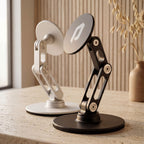
Professional collectors use display cases designed specifically for graded cards. These aren't generic picture frames or hobby store cases, they're engineered to address the unique challenges of showcasing valuable collectibles safely. The best systems combine UV protection, proper spacing, magnetic mounting, and security features in one package.
Magnetic display systems revolutionize how collectors showcase their graded cards. Unlike traditional mounting methods that require adhesives or clips, magnetic systems hold cards securely while allowing instant reconfiguration. You can rotate seasonal favorites, swap in newly graded returns from PSA's Value service at $32.99 per card, or completely redesign your layout in minutes rather than hours.
Modular systems work best for growing collections. You can start with a single case and add matching units over time. This approach costs more initially but provides long-term flexibility as your collection evolves. Look for systems that offer consistent sizing and mounting compatibility across different case sizes.
Wall-mounted options save space and create dramatic visual impact. However, mounting requires proper wall anchors rated for the display's weight plus cards. A twelve-card display becomes surprisingly heavy when fully loaded, standard drywall anchors won't provide adequate support for valuable collections.
Lighting and Environmental Protection Strategies
Proper lighting transforms a card display from functional to spectacular, but it requires understanding how different light sources affect graded cases. LED strips remain the gold standard because they produce minimal heat and offer color temperature control. Warm white enhances the vintage feel of classic cards, while cool white makes modern artwork pop.
Position lighting to minimize reflection off graded cases. The worst displays blast light directly at the cards, creating glare that makes them impossible to view properly. Instead, angle LED strips from either side. This technique illuminates the cards while keeping reflections off primary viewing angles.
UV damage accumulates over time, even from indoor lighting. Fluorescent bulbs emit UV radiation, making them unsuitable for valuable card displays. Standard windows allow UV through, so position displays away from direct sunlight or install UV-filtering window film throughout your display area. For a deeper dive into light damage, read our guide on how to protect Pokemon cards from UV damage.
Environmental control extends beyond lighting. Dust accumulation on graded cases reduces visual appeal and can scratch cases during cleaning. Enclosed displays with filtered ventilation solve this problem while maintaining adequate air circulation around your cards.
Temperature stability matters more than specific temperature ranges. A room that maintains consistent temperature causes less stress than one fluctuating dramatically throughout the day. Use thermal mass, thick walls, heavy furniture, or dedicated climate control, to minimize temperature swings that stress graded cases.
Creating Themed Display Arrangements
Thematic displays tell stories that individual cards cannot. Group cards by generation, evolution chains, or artwork styles to create visual narratives that enhance each piece. (Need more inspiration? Browse our creative graded card display ideas.) A complete Base Set evolution line displayed together commands more attention than the same cards scattered randomly across different cases.
First edition cards, holographic cards, and those featuring popular Pokémon tend to fetch higher grades and prices, making them natural centerpieces for themed displays. Build arrangements around your strongest cards, using lower-grade or less valuable pieces as supporting elements.
Seasonal rotations keep displays fresh and protect cards from continuous light exposure. Create multiple themed sets, vintage Base Set for winter nostalgia, modern alternate art cards for summer brightness, or Japanese exclusive artwork for special occasions. This approach also distributes UV exposure across your collection rather than concentrating it on permanently displayed pieces.
Color coordination enhances visual impact dramatically. Group cards with complementary color schemes, the blues and whites of Water-type Pokémon, the reds and oranges of Fire-types, or the varied rainbow palette of a complete set. This technique works especially well with cards sharing artwork themes or illustrators.
Display Your Pokemon Grails
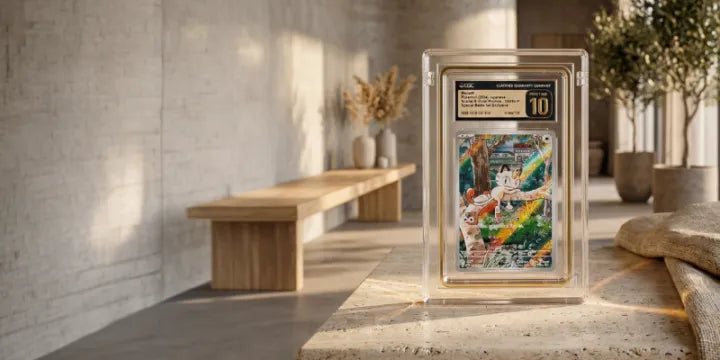
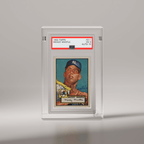
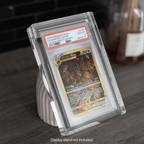
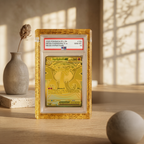
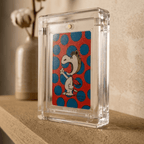
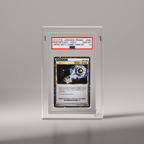
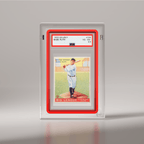
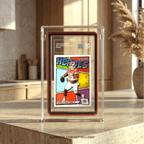
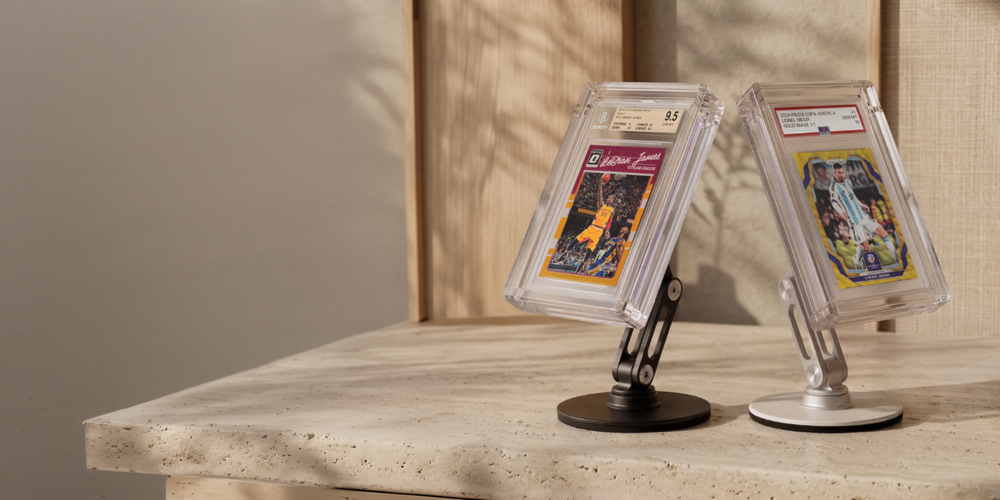
Your graded Pokemon cards deserve to be displayed, not stored away. Phantom Display cases are engineered with UV-protective acrylic and neodymium magnetic closure, designed for PSA, BGS, and CGC Pokemon slabs. Rated 4.7/5 for design by collectors.
Shop Pokemon Display Cases →Wall Mounting vs Desktop Display Solutions
Choosing between wall-mounted and desktop displays depends on your space, collection size, and security needs. Wall mounting creates impressive visual impact and saves valuable surface space, but requires proper installation and limits accessibility. Desktop displays offer flexibility and easier access but consume table or shelf space.
Wall-mounted systems work best for permanent collections you rarely rearrange. Once mounted, changing the display requires tools and wall repairs. However, wall mounting puts valuable cards out of reach from casual handling and creates gallery-like presentations that impress visitors.
Desktop displays shine for active collectors who frequently rotate cards. You can easily swap pieces, clean cases, or reorganize themes without tools. Desktop systems also work better for photography and detailed examination of individual cards.
Security considerations differ between mounting options. Wall-mounted displays are harder to steal quickly but may be more visible to potential thieves. Desktop displays can be moved to secure locations when needed but are more accessible during normal display.
Weight distribution becomes critical for wall mounting. Distribute heavy displays across multiple wall studs using appropriate hardware. A single mounting point, even in a stud, won't safely support substantial collections over time.
Common Display Mistakes That Cost Money
The biggest mistake collectors make is using inappropriate display materials. Picture frames from craft stores lack UV protection, proper spacing, and secure mounting. We've seen valuable cards displayed in cheap frames that offered zero protection from fading, impact, or theft.
Overcrowding displays creates multiple problems. Cards touching each other during thermal expansion can scratch cases. Poor spacing makes individual cards harder to appreciate and creates cluttered appearances that reduce visual impact. Give each card adequate room to breathe and expand safely.
Ignoring environmental factors destroys cards gradually. Displays near windows, heating vents, or humid areas like bathrooms subject cards to damaging conditions. A Shadowless Charizard that took months to grade through PSA's Express service at $149 per card deserves better than a bathroom wall or sunny windowsill.
Using cheap lighting ruins the viewing experience and can damage cards. Fluorescent bulbs emit UV radiation and create harsh shadows. Halogen spots generate heat that can warp cases over time. Stick with quality LEDs designed for display applications.
Neglect security invites theft. Valuable cards displayed in unlocked cases or easily accessible locations tempt opportunistic theft. Even trusted visitors might be tempted by expensive cards sitting in easily opened display cases.
Protecting Your Investment Through Smart Display Choices
Value preservation during display requires balancing visibility with protection. Your most valuable cards deserve the highest protection levels, even if it slightly reduces viewing convenience. Create a hierarchy where your most expensive pieces get premium protection while lower-value cards use more accessible display methods.
Documentation becomes crucial for insurance and resale purposes. Photograph your displays regularly, noting any changes in card condition or case integrity. Maintain detailed inventories with current market values, as card prices fluctuate significantly over time.
Environmental monitoring helps prevent gradual damage. Simple temperature and humidity monitors cost little but provide early warning of problems. Some collectors use data loggers to track conditions over time, identifying patterns that might threaten their collections.
Regular maintenance prevents small problems from becoming expensive disasters. Inspect cases monthly for cracks, scratches, or UV yellowing. Clean display surfaces gently with appropriate materials, harsh chemicals can damage acrylic and harm nearby cards.
Access control protects cards from well-meaning damage. Even careful friends and family can harm graded cards through improper handling. Displays that satisfy curiosity without allowing physical contact protect your investment while maintaining social aspects of collecting.
Once your cards return from grading in those protective slabs, they deserve displays that match their value and protect your investment for years to come. Our Magneto magnetic display system was designed specifically for this challenge, magnetic mounting flexibility, UV protection, and security features that let you showcase your graded cards properly while keeping them safe from the common mistakes that destroy value.
FAQ
What's the best way to display PSA graded Pokémon cards without damaging them?
Use UV-protective acrylic display cases with proper spacing between cards. Mount cards magnetically to avoid adhesives that can fail over time. Keep displays away from direct sunlight, heating vents, and areas with temperature fluctuations. Position LED lighting from the sides rather than directly in front to minimize glare on graded cases.
How do I prevent UV damage when displaying graded Pokémon cards?
Invest in display cases made from UV-protective acrylic rather than standard glass or plastic. Position displays away from windows and direct sunlight. Use LED lighting instead of fluorescent bulbs, which emit UV radiation. Consider UV-filtering window film if your display area receives natural light. Rotate cards periodically to distribute any UV exposure across your collection.
Should I use magnetic or traditional display cases for my graded collection?
Magnetic systems offer superior flexibility for active collectors who frequently rotate their displays. You can swap cards, reconfigure layouts, and add new pieces without tools or permanent modifications. Traditional mounting works better for permanent displays you rarely change, but magnetic systems provide better long-term value for most collectors.
What's the ideal spacing between graded cards in a display case?
Maintain at least half an inch between adjacent graded cards to prevent contact during thermal expansion. PSA and BGS cases can expand slightly with temperature changes, and touching cases can scratch each other. Proper spacing also improves visual appeal by giving each card room to be appreciated individually.
How do I display valuable cards like Pikachu Illustrator safely?
Use premium display cases with locking mechanisms and security features. Consider wall mounting to keep cards out of casual reach. Install proper lighting that eliminates UV exposure. Use environmental monitoring to track temperature and humidity. Document the display setup with photos for insurance purposes and consider alarm systems for extremely valuable pieces.
Ready to display your Pokemon collection?
Browse our Pokemon card display cases, explore the full card display case range, or see our graded card display cases for all grading companies.