








How to Protect Pokemon Cards: Sleeves, Toploaders and Slabs
Protecting a Pokemon card is a ladder, not a single purchase. A bulk common needs a sleeve and nothing more. A raw first-edition Charizard needs several layers between its surface and the world. A graded grail needs the right display so you can enjoy it without putting it back at risk. The whole skill is matching the protection to what the card is actually worth, so you are neither leaving value exposed nor fussing over cards that will never need it. This guide walks the entire ladder, from bare hands to a slab on the shelf.
Two related jobs sit outside this guide on purpose. Light and fade damage have their own deep dive, and the storage environment, the room, temperature and humidity, has another. Here we stay on the physical barriers themselves and how to choose the right one for each card.
Start with your hands
Every layer of protection begins with how you pick a card up. Handle raw cards with clean, dry hands and hold them by the edges so your fingertips never touch the printed surface. Skin carries oils and moisture that leave marks you cannot always see at first and cannot lift out later. Work over a table or a soft mat rather than a hard floor, so a dropped card lands flat instead of on a corner. Keep food and drinks well away from the desk. None of this costs a cent, and it prevents the fingerprints, surface haze and bent corners that quietly pull a card down a grade long before it ever reaches a sleeve.
The penny sleeve is your first barrier
The penny sleeve is the thin, soft sleeve that goes on before anything else, and it is the single most important piece of gear in the hobby. Its job is simple: keep the card surface from rubbing against harder plastic and against other cards. Slide the card in gently and support the sleeve so the card does not slam into the seams at the bottom. For anything you plan to store or stack, turn the opening down or to the side so dust and debris cannot fall straight in. A soft sleeve alone will not stop a bend, but it stops the scuffs and micro-scratches that are the most common damage on otherwise clean cards. Buy them in bulk and sleeve everything you care about. Our protectors range covers the sleeves and rigid holders the next few steps call for.
Toploaders and semi-rigids
Once a card is sleeved, the next layer stops it bending, and there are two tools here that are not interchangeable. A toploader is a rigid plastic pocket that a sleeved card drops into, and it is the everyday choice for shipping, trading and standing a card upright in a box. A semi-rigid holder, the kind collectors call a Card Saver, flexes just enough to load and unload without a tool, which is exactly why the grading companies ask for cards submitted in them rather than in a stiff toploader. The rule of thumb is straightforward: reach for a toploader when you are storing or moving a card around the house, and a semi-rigid when you are preparing a card to send away. Always sleeve the card first either way. A bare card rattles inside both and picks up edge wear from the very thing meant to protect it.
Magnetic one-touch holders
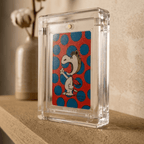
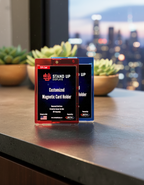
When a raw card is worth showing rather than hiding, step up to a magnetic one-touch holder. These are two-piece acrylic holders that close with a magnet, grip the card firmly on all four sides, and give you a clear front you can actually display through. There is no tape to peel and nothing to fasten, and the card sits far more securely than it ever does in a loose toploader. A one-touch is the right home for a valuable raw card you want to handle, photograph or stand on a shelf, and it is a sensible holding place while you decide whether the card is worth grading. Match the holder to the card thickness, since a thicker card needs a deeper holder to sit flat and stay put.
Binders or boxes
For the rest of the collection, the choice comes down to a binder or a box. A binder with side-loading pages is best for a set you flip through often, because side-loading pockets hold cards in rather than letting them slide out and catch an edge on the way. A box suits the cards you sleeve and set aside, stored upright like books so nothing crushes the ones at the bottom of a stack. Whichever you pick, keep the supplies free of PVC, which can cloud and damage cards over the years. How you keep that box or binder, the room it lives in, the temperature and the humidity, matters as much as the gear itself, and that side of the job is covered in full in our long-term storing guide.
When to grade
Grading is protection too, but it is not for every card. Sending a card to a professional grader seals it permanently in a hard case, authenticates it, and on the right card multiplies what it is worth. It also costs a fee and takes time, so it earns its place only on cards where a high grade meaningfully raises the price, where authenticity matters to a future buyer, or where the card is special enough to you to justify the treatment. Before you submit anything, protect it properly first: clean hands, a fresh sleeve and a semi-rigid holder, because any bent corner or fresh scratch it picks up on the way in is exactly what caps the grade. Everything below a grail can stay raw in sleeves and holders without losing a thing.
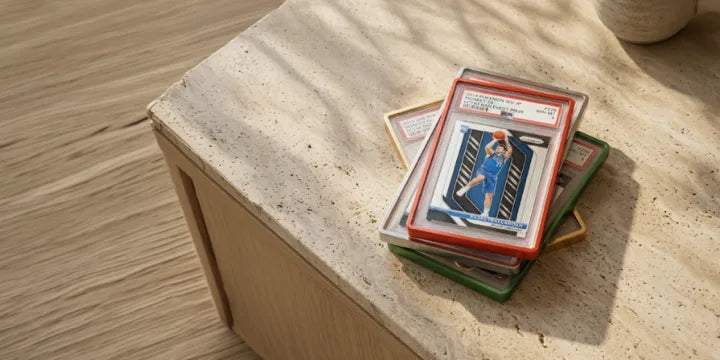
Protecting a graded slab
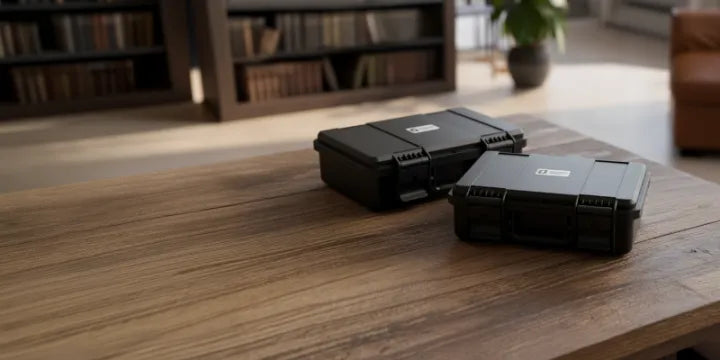
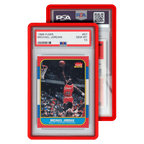
A slab solves the hard part on its own. The sealed slab guards the corners and edges so the card can no longer bend, and you should never crack one open to store or display it differently. Two things a slab does not fully solve are impact in transit and light over time. For carrying slabs to a show or in a bag, add a GradedGuard case for impact protection, or a padded carry bag for a group of them, so a knock never lands on the slab itself. For light, keep slabs out of direct sun; the physics of fading, and how far the right display can cut it, are covered in our guide to UV fading.
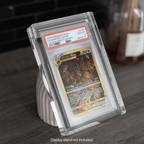
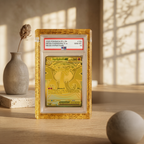
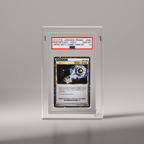
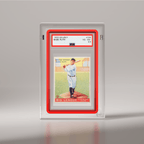
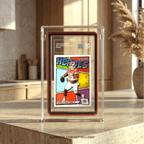
The cards that have earned it deserve to be seen, not left in a dark box. A proper display takes a slab out of storage and protects it at the same time, which is the whole point of showing a collection instead of hiding it away. Our displays are sized per grading company, so the fit is precise for PSA, BGS, CGC, SGC and TAG slab dimensions rather than a loose compromise, and each full-size display seals with a neodymium magnetic closure and carries up to 99.6% UV protection on the acrylic. Work the ladder from the bottom up, protect every card to the level it has earned, then give the best of them a home worth looking at every day.