













How to Submit Cards to Beckett for Grading: Step-by-Step Guide (2026)

A BGS Black Label generates significant market premiums over standard BGS 10 grades, yet most collectors hurt their chances before cards reach the grading room through poor preparation, wrong service selection, and submission mistakes that are easily avoidable.
After hundreds of BGS submissions, the patterns become clear: success starts with understanding their system, not hoping for generous grading. The collectors who consistently get higher grades follow specific protocols that most never learn.
What Are the BGS Grading Prerequisites for Account Setup?
BGS account creation requires basic personal information and email verification through their online portal, with no membership fees or minimum submission requirements. Beckett has been trusted by collectors for decades, operating on a per-submission basis rather than annual memberships like some competitors.
The registration process starts at beckett.com/grading where you'll create your collector profile. Unlike PSA's membership tiers, BGS maintains an open submission system, any verified account can submit cards at published pricing without additional fees or waiting periods.
Once active, your account provides access to the submission center for building orders, tracking progress, and viewing historical results. The platform displays real-time turnaround estimates and allows order modifications before entering the grading queue. Bookmark your submission dashboard early, you'll monitor it frequently during processing periods that can extend from five days to several months.
The account system integrates with their population database, letting you research previous submissions for specific cards. This historical data helps inform your service level choices and expected grade outcomes based on similar submissions.
Which Cards Should You Submit to BGS for Maximum ROI?
Submit cards worth at least several times the grading cost in raw condition, focusing on vintage cards where BGS subgrades add value and modern chase cards with perfect centering. BGS Base service costs $14.95 per card, making economic viability dependent on expected grade outcomes and market premiums.
Card selection strategy determines submission success more than any other factor. BGS excels with vintage cards where subgrades tell condition stories that generic overall grades can't capture. A Base Set Charizard with 9.5 centering, 10 corners, 9.5 edges, and 10 surface commands premiums over the same card with identical grades but no subgrade detail from other services.
Modern cards benefit from BGS grading when centering is pristine. BGS grades centering more strictly than competitors, so a BGS 10 centering designation carries extra market weight. Focus on pack-fresh cards with perfect registration and minimal print line visibility.
Avoid submitting cards with visible flaws hoping for generous grading. BGS maintains consistent standards regardless of service tier, a corner ding receives accurate subgrades reflecting that damage. Research similar cards in their population reports to understand realistic grade expectations before committing to submission costs.
How Do You Complete the BGS Submission Process Step-by-Step?
The BGS submission process requires creating online orders, selecting service tiers, completing detailed submission forms, packaging cards securely, and shipping with full insurance to their Texas facility. Each step demands specific formatting to avoid processing delays or returns.
Start by logging into your BGS account and creating new submissions through their online platform. The digital form requires precise card details including year, manufacturer, set name, card number, and player/character names for sports and gaming cards. Accuracy matters, incorrect information causes processing delays and potential grade disputes.
Service tier selection impacts both cost and timing significantly. BGS Standard service costs $34.95 with better timing than Base, while Express reaches $79.95 and Priority hits $124.95. Choose based on timeline needs and budget constraints rather than hoping faster service improves grades.
Print submission forms and include them with shipments. Pack cards in semi-rigid holders or quality toploaders, then secure in sturdy boxes with bubble wrap protection, ensuring zero movement during transport. Ship via FedEx or UPS with full insurance covering declared card values plus grading fees. BGS processes orders sequentially by receipt date, so expedited shipping won't accelerate grading timelines.
Pre-submission preparation and documentation
Proper card handling prevents damage that destroys potential grades. Work on clean, flat surfaces with bright lighting to identify print lines, surface scratches, or edge whitening invisible under normal conditions. These details directly impact subgrade results and final values.
Photograph every card before submission using consistent lighting and angles. Document all four corners, both edges, and surface areas under angled light to reveal potential scratches. These images serve as condition baselines and support insurance claims if shipping damage occurs.
For protection, use penny sleeves without direct finger contact, followed by semi-rigid holders or quality toploaders. BGS accepts both protection methods, but semi-rigids offer superior protection during their handling processes. Label holders with submission numbers, never write directly on cards or sleeves.
What BGS Service Levels Are Available and Which Should You Choose?
BGS offers four service tiers with different pricing and turnaround times: Base at $14.95 with 75+ day processing, Standard at $34.95 for 45 days, Express at $79.95 for 15 days, and Priority at $124.95 for 5 days.
Service selection depends on timeline requirements and budget tolerance. BGS Standard service provides the best value balance for most collectors, reasonable cost with predictable timing for sales planning or display preparation. The consistency makes it ideal for cards destined for specific selling windows or collection milestones.
For bulk vintage submissions without rush requirements, Base service makes financial sense despite extended timelines. The cost savings justify patience on large orders, though actual processing can stretch beyond quoted estimates during busy periods like tax season when submission volumes spike.
Express service works for specific deadline situations, card shows, auction consignments, or seasonal selling windows. The timing guarantee remains reliable, though you pay significant premiums for speed. Reserve Express for cards where grades significantly impact selling strategies or collection goals.
Understanding additional fees and surcharges
BGS applies additional fees for specialty cards and services. Autograph cards cost an extra $5 per submission, while oversized cards add $8. The Base service includes a $3 upcharge for any 10s where subgrades are added automatically.
Other services like relabeling cost $10 per card for correcting information errors, and recasing runs $10 for damaged holder replacement. Factor these potential costs into submission budgets when planning large orders or specialty cards.
What Should You Expect During BGS Processing and How Can You Track Progress?
BGS processing follows published schedules but often extends during peak submission periods, with Base service frequently exceeding the quoted 75+ business days. Plan extra time beyond estimates when scheduling sales or display deadlines.
Realistic timing expectations prevent disappointment and planning problems. Base service submissions regularly extend beyond published timeframes, especially January through April when tax refunds drive submission volume increases. According to collector forum discussions, processing times can exceed 90+ days during these peak periods.
Standard service maintains better consistency near the 45-day mark, rarely extending beyond 50 days even during busy seasons. This reliability justifies the premium cost when firm deadlines exist for selling or gifting graded cards.
Express and Priority services consistently hit timing guarantees. BGS prioritizes higher-paid tiers and maintains capacity protection even during volume increases. Email notifications arrive at major milestones, receipt, grading assignment, completion, and shipping, but detailed daily progress tracking isn't available through their system.
Managing expectations and communication
BGS customer service responds to submission inquiries, though response times vary during busy periods. The online dashboard shows basic status updates but lacks granular detail about queue position or daily progress. Phone inquiries work best for urgent timeline questions or status clarification.
Plan submission timing around known busy periods to avoid extended processing. Submit before December holidays for February returns, or wait until May to avoid tax season volume spikes. This strategic timing improves chances of hitting quoted turnarounds.
How Do You Read and Interpret BGS Grade Reports?
BGS grade reports display overall grades plus four subgrade categories (centering, corners, edges, surface) on a 10-point scale, with Black Labels requiring perfect 10s across all categories. Understanding subgrade impact on market value helps evaluate results and future submission decisions.
The BGS grading scale runs from 1-10 with half-point increments, where 9.5+ grades command significant premiums. Black Label 10s, requiring perfect subgrades, trade at substantial multiples over regular BGS 10s in most vintage categories. Even BGS 9.5 cards with strong subgrades often outperform PSA 10s lacking subgrade transparency.
Subgrade analysis reveals specific card strengths and weaknesses that overall grades can't capture. A BGS 9 with 9.5 centering and 10 surface but 8.5 corners tells a complete condition story. This information helps collectors understand exactly why cards grade as they do, unlike services providing only overall scores.
Centering subgrades carry extra weight in today's market, especially for modern cards. A BGS 10 centering indicates truly exceptional registration that commands premiums. Surface and corner subgrades matter most for vintage cards, where condition rarity drives values higher than simple overall grades suggest.
Upgrade Your Display Setup
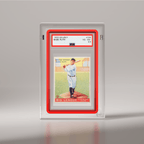
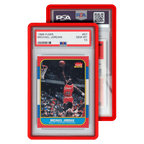
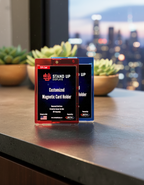
Ready to showcase your collection properly? Phantom Display cases are engineered with premium acrylic and neodymium magnetic closure, designed for PSA, BGS, CGC, and SGC slabs. Rated 4.7/5 for design by collectors.
Shop Graded Card Display Cases →Grading with Beckett? See our BGS slab displays, sized for the thicker BGS holder.
What Are the Best Ways to Display and Protect Graded BGS Cards?
BGS slabs require UV-protective display solutions that prevent light damage while showcasing grades and subgrade details clearly. Magnetic mounting systems provide secure positioning without adhesive contact that could damage cases over time.
Graded card protection becomes critical after investing in BGS services. With grading costs ranging from basic fees to premium service pricing, proper display storage protects these investments long-term. UV light causes fading even through BGS cases, requiring additional protection for valuable submissions.
Display options range from basic stands to sophisticated mounting systems. Consider viewing angles, UV protection levels, and mounting security when selecting display solutions. Cards displayed in direct sunlight or bright artificial light need maximum UV filtration to prevent deterioration that affects both appearance and value.
Security matters for high-value graded cards. Magnetic mounting allows easy removal for handling while preventing theft through permanent installation. Balance accessibility with protection based on card values and display locations. Wall mounting works well for permanent displays, while adjustable stands suit rotating collections.
FAQ
How long does BGS grading take in 2026?
BGS grading takes 5-75+ business days depending on service level, with Base service at 75+ days, Standard at 45 days, Express at 15 days, and Priority at 5 days. Actual turnaround often extends beyond estimates during peak periods like tax season.
What is the minimum order for BGS grading submissions?
BGS has no minimum order requirement, you can submit a single card. However, shipping costs and insurance make single-card submissions economically inefficient unless using Priority service for extremely valuable cards worth the premium.
Can I track my BGS submission status online?
Yes, BGS provides online tracking through your account dashboard showing submission status from received through grading completion. Email notifications arrive at major milestones, but detailed daily progress isn't available through their system.
What packaging materials does BGS require for submissions?
BGS requires cards in penny sleeves and semi-rigid holders or toploaders, shipped in sturdy boxes with adequate padding. They don't accept cards in binders, magnetic holders, or direct contact with bubble wrap that could cause surface damage.
How do BGS subgrades affect card value compared to overall grades?
BGS subgrades significantly impact vintage card values by revealing specific condition details. A BGS 9.5 with strong centering and surface subgrades often trades at premiums over cards with identical overall grades but weaker subgrade distributions.
Once your BGS slabs return with their detailed subgrade analysis, protect that investment with display cases designed specifically for graded cards. For a comprehensive understanding of BGS vs PSA grading differences, our Magneto mounting system secures BGS cases with tool-free magnetic installation while providing 99.6% UV protection, because cards that cost this much to grade deserve display protection that matches their value.